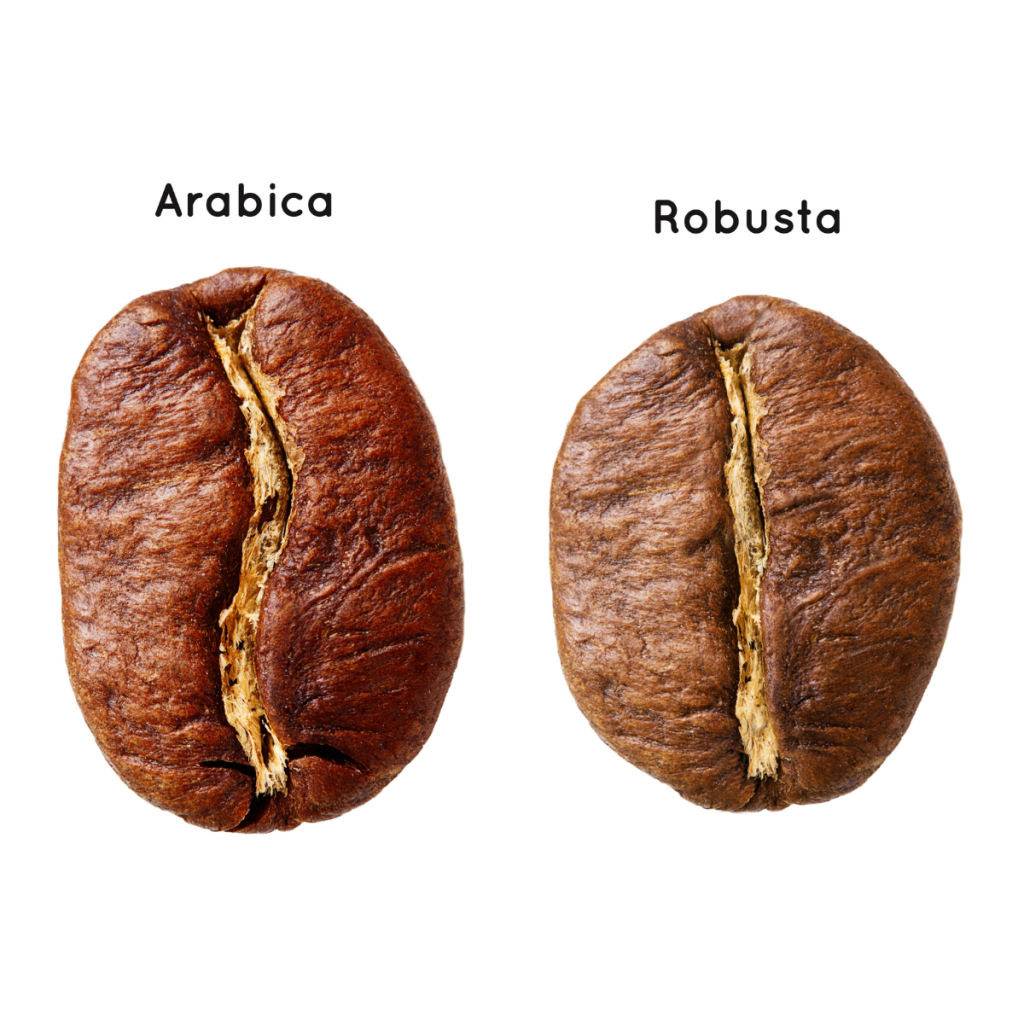


For years, the coffee market clearly separated arabica and robusta: arabica was associated with premium quality, while robusta was often linked to commercial blends and structure.
In 2026, however, this balance is changing. New global market dynamics are reshaping the role of both varieties, influencing demand, prices and consumer perception.
Arabica Remains the Premium Benchmark
Arabica continues to represent the most sought-after segment for aromatic complexity, acidity and sensory profile. High-altitude cultivation and growing attention to traceability and origin continue to support its perceived value.
In recent years, however, the arabica market has become increasingly exposed to climate volatility. Extreme weather events in Brazil and other producing regions have reduced harvest predictability, impacting both availability and international prices.
This scenario has led many operators to diversify sourcing strategies and pay closer attention to the robusta segment.
The Rise of Premium Robusta
Robusta is no longer perceived only as a component for commercial blends or instant coffee products. More producers are investing in quality processing methods, selective harvesting and advanced post-harvest techniques.
The result is a new generation of premium robusta capable of offering: fuller body, intense aromatic profiles, spicy and chocolate notes and improved espresso performance.
Even the specialty coffee market is gradually opening up to these developments.
Price and Sustainability Are Influencing Choices
In 2026, pricing remains one of the key drivers of change. Arabica price fluctuations have pushed many roasters to reconsider blend composition and purchasing strategies.
At the same time, robusta in some regions has shown greater climate resilience compared to arabica, making it attractive from a supply continuity perspective as well.
This does not mean replacement, but rather market evolution: more companies are seeking a balance between quality, economic sustainability and supply chain stability.
Consumers Are More Curious and Informed
End consumers are also changing their approach. Interest is growing around coffee origin, processing methods, altitude and botanical varieties or sensory characteristics.
Arabica and robusta are no longer viewed simply as opposing categories, but as different expressions of the coffee world.
For this reason, transparency and product culture are becoming central elements in creating value.
A More Open and Dynamic Market
The coffee market in 2026 appears increasingly fluid and multifaceted. Arabica continues to dominate the premium segment, while robusta is gaining new space thanks to quality improvements and rising global demand.
Understanding these transformations means anticipating industry directions and building more conscious, resilient and quality-oriented supply chains.