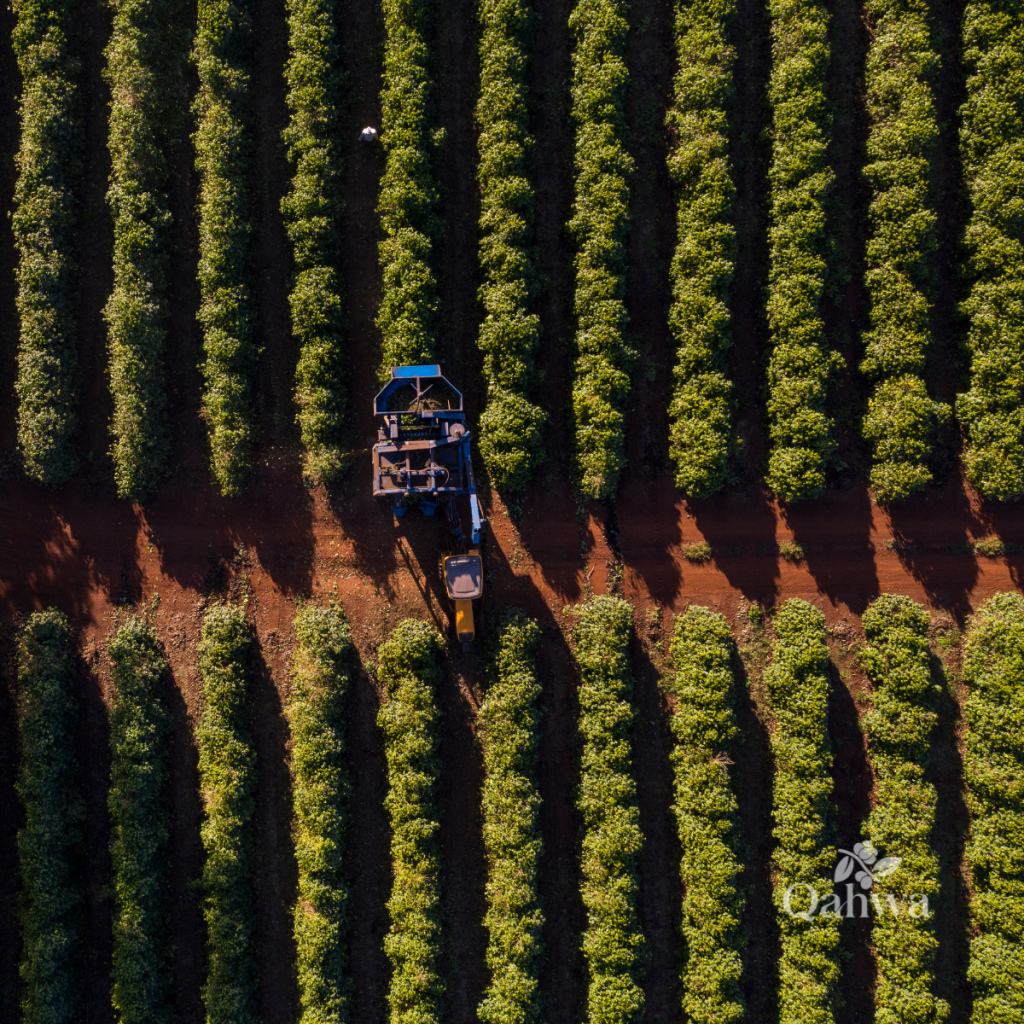


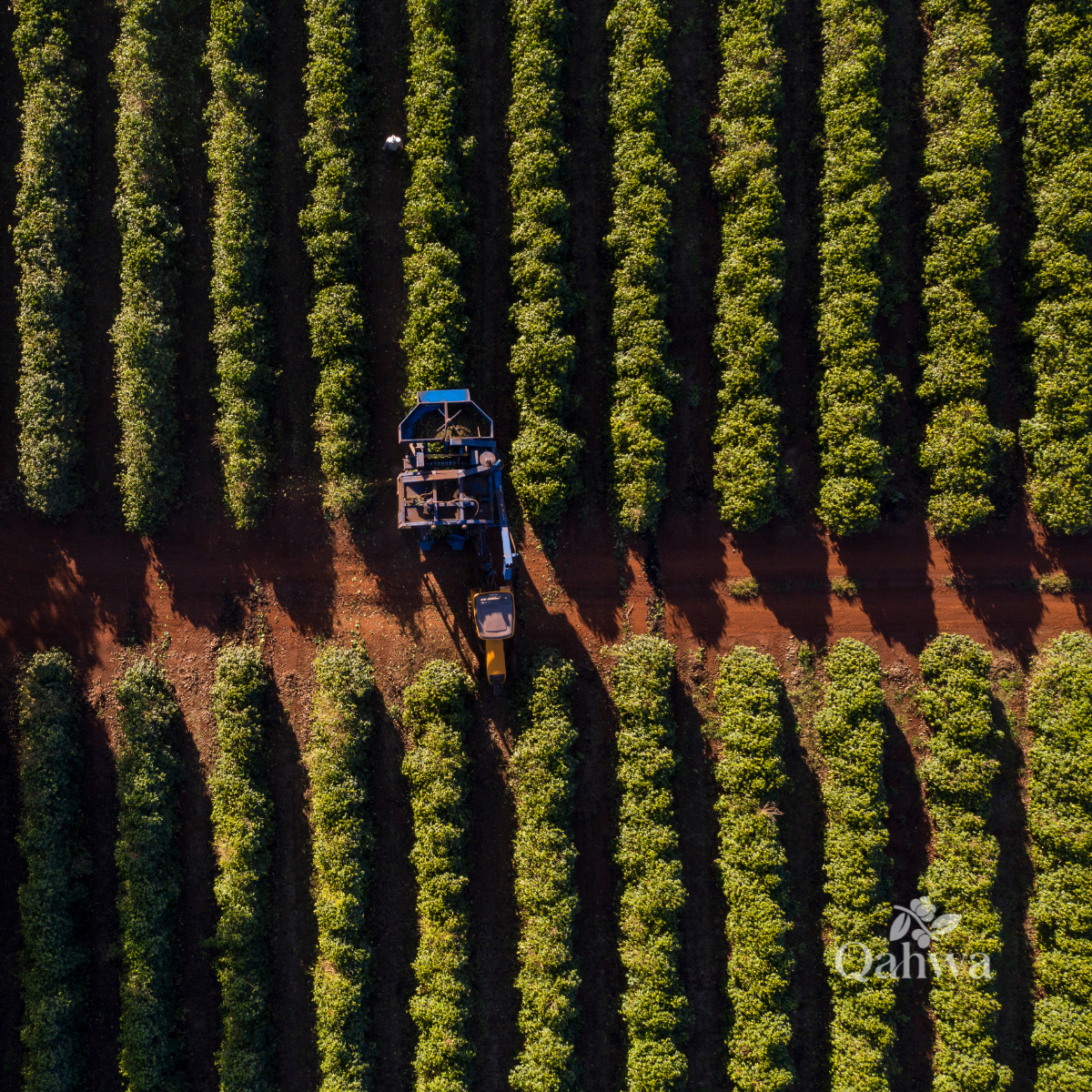
Brazil is entering a decisive season for the global green coffee market. According to the latest USDA estimates, Brazilian coffee production for 2026/27 could reach 71.9 million 60-kg bags, up 14% from the previous cycle. Arabica production is forecast at 47.5 million bags, while Robusta/Conilon is expected at 24.4 million bags.
At first glance, these numbers suggest a more comfortable supply environment. A larger crop, especially after a period of historically high prices, may ease some pressure on the market. But for roasters, importers and European green coffee buyers, the key question is not only how much coffee Brazil will produce. It is when that coffee becomes available, at what quality level and under which physical delivery conditions.
A large crop does not enter the supply chain overnight
Brazil’s new crop follows several difficult years marked by irregular weather, low stocks and price volatility. The USDA report highlights that the 2026/27 harvest is arriving while domestic and international stocks remain limited, with exporters still cautious in their selling activity. Brazilian coffee exports in the first four months of 2026 were 24% lower than in the same period of the previous year, reflecting the tight availability left by previous cycles.
Another factor widening the gap between estimated production and actual availability is port logistics. In recent months, Cecafé has repeatedly reported that infrastructure constraints at Brazil’s main ports have slowed coffee shipments, generating additional storage costs and missed export volumes. In December 2025, according to figures reported by Cecafé, logistics bottlenecks prevented the shipment of 2,065 coffee containers, with foreign exchange losses exceeding BRL 1.4 billion.
This means that even when coffee is available at origin, it can remain stuck for extended periods in the port or pre-shipment phase. For European buyers, the result is a wider gap between harvest, actual exports and physical arrival in destination warehouses. Brazil may produce more coffee, but the supply chain still has to deal with logistics timing, port congestion and additional costs.
Weather is still a decisive variable
Brazil’s 2026/27 production outlook has benefited from broadly favourable weather conditions, but the picture remains fragile. In June, unusual rainfall in key producing areas of Southeast Brazil slowed harvest activity and raised concerns over drying conditions and cup quality. Reuters reported disruptions to fieldwork and moisture-related risks during what is normally a dry harvest period. (Reuters)
For the B2B supply chain, this matters. Even when expected volumes are high, available quality can vary significantly depending on harvest timing and post-harvest management.
What this means for roasters and buyers
For European buyers, Brazil remains a strategic origin for consistency, volume, natural Arabica profiles and blend construction. But the 2026/27 season will require a more precise reading of physical availability: not just futures prices, but differentials, quality, certifications, logistics and delivery windows.
The real opportunity will not be simply to buy “more Brazil”. It will be to buy better: define quality standards, plan arrivals and work with partners able to secure continuity.
In a market that looks larger but remains selective, the difference will come from turning production data into a clear sourcing strategy.