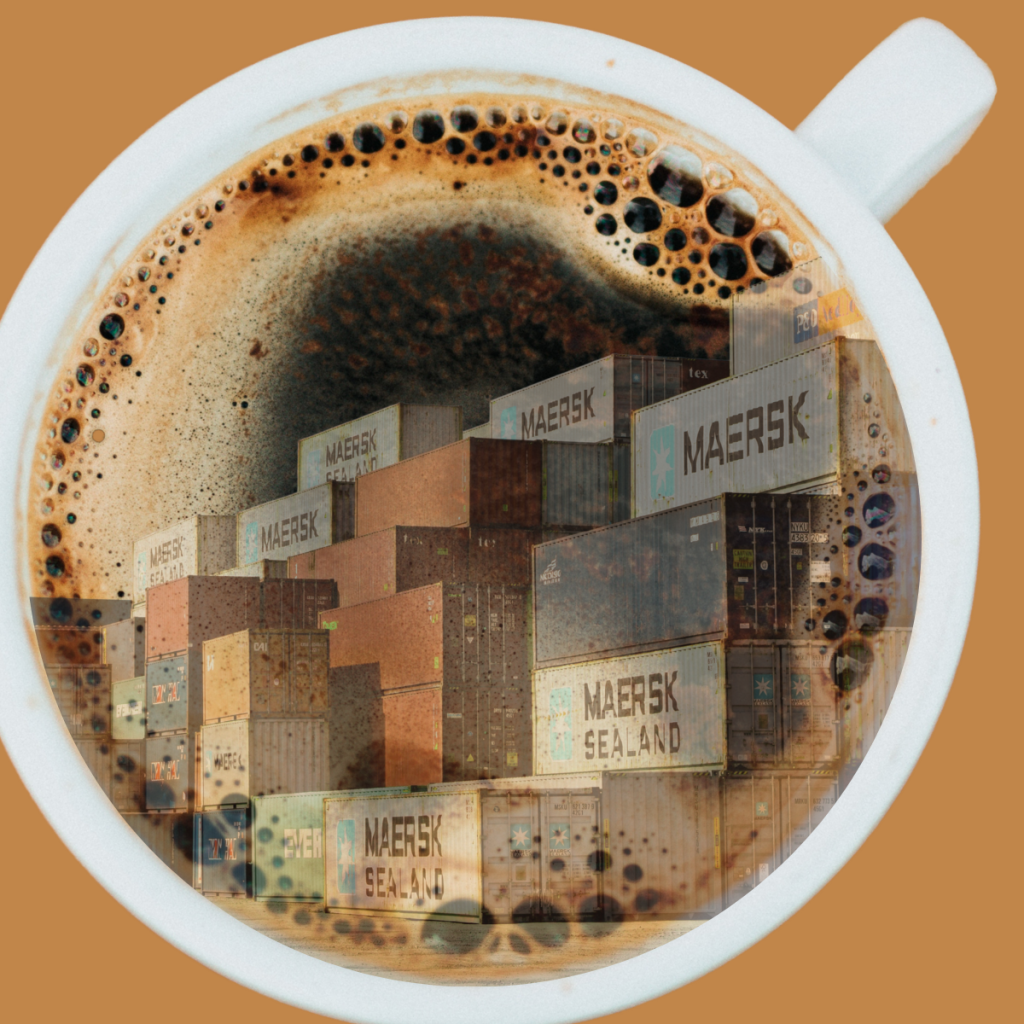


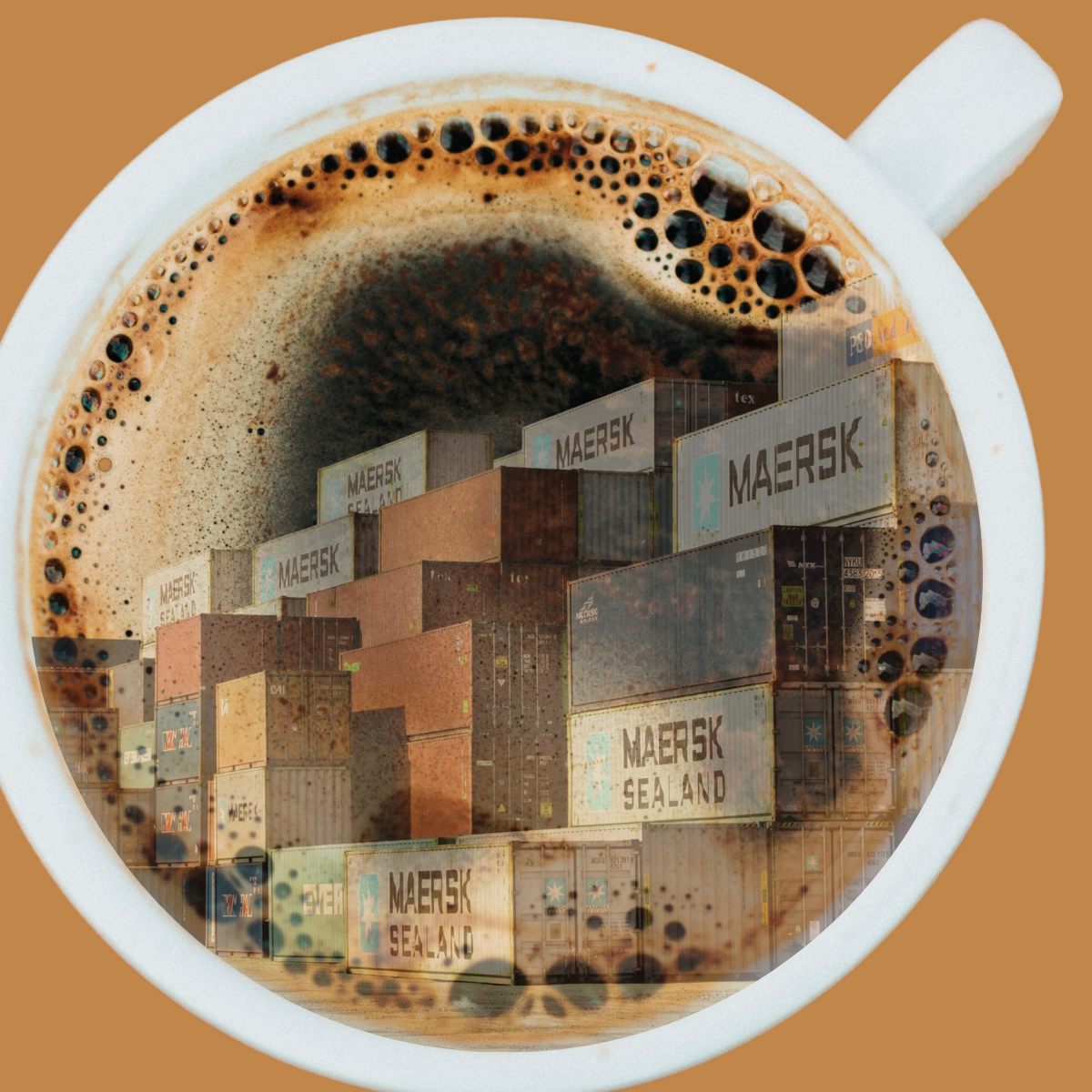
Over the past few years, the coffee market has shown just how deeply the global supply chain is connected to international logistics dynamics. Even in 2026, coffee prices are influenced not only by harvest conditions or climate trends in producing countries: transportation, shipping routes and logistics costs continue to have a direct impact on the availability and value of green coffee.
From departure ports in producing countries to European roasteries, coffee travels through a supply chain that is becoming increasingly complex and vulnerable.
Logistics have become part of the price of coffee
In recent months, the international market has experienced renewed pressure linked to maritime transportation. Geopolitical instability in the Red Sea and the Persian Gulf area has increased risk levels for shipping companies, leading to higher insurance premiums and changes to major trade routes.
When vessels are forced to take longer routes or face operational delays, transportation costs inevitably rise. And those increases directly impact the final cost of imported coffee.
For the coffee industry, this issue is particularly sensitive: coffee is a global commodity that depends on precise timing, steady availability and accurate delivery planning.
Container, delays and volatility
One of the clearest consequences involves container availability and transit times. Even minor disruptions in major logistics hubs can trigger delays throughout the entire supply chain.
For European roasters and distributors, this means:
- greater difficulty in purchase planning;
- higher storage costs;
- increased exposure to futures market volatility;
- lower predictability in supply timelines.
In a market already affected by climate-related tensions in producing regions, logistics continue to amplify uncertainty.
It’s only about transportation?
Today’s coffee supply chain involves many interconnected factors:
- labor availability in ports;
- energy costs;
- maritime insurance;
- customs regulations;
- documentation management and traceability.
Even a single administrative slowdown can affect the fluidity of international shipments.
For this reason, more industry operators are investing in direct relationships with producers and reliable logistics partners, aiming to build more resilient and transparent supply chains.
An increasingly interconnected market
In 2026, the coffee market continues to demonstrate how every stage of the supply chain is interconnected. What happens along a shipping route or inside an international port can affect product availability thousands of kilometers away.
Understanding logistics therefore means understanding the real value of coffee and the dynamics shaping its price.
In a constantly evolving global landscape, monitoring the supply chain is no longer secondary: it is an essential part of coffee market analysis.