

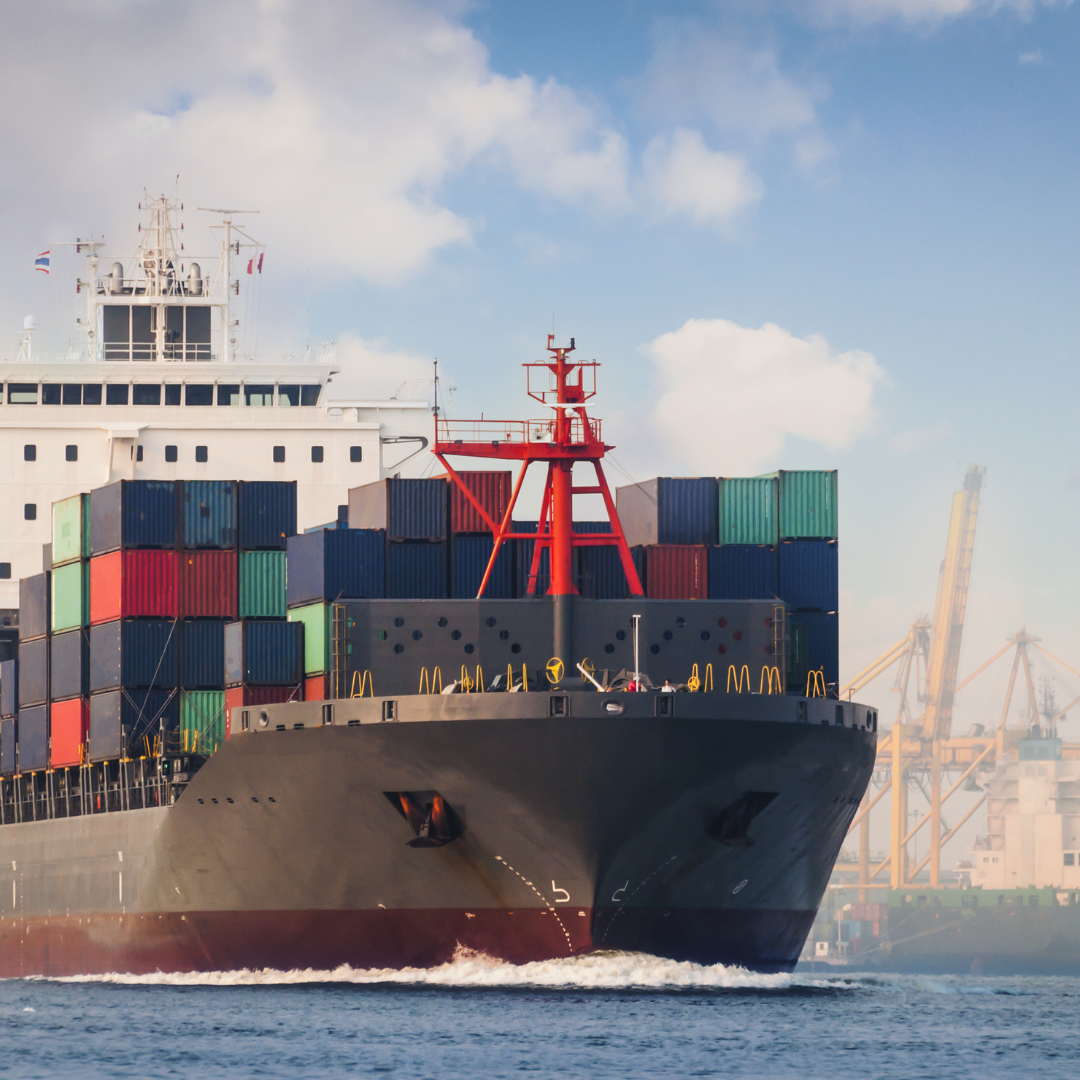
Houthi attacks in the Red Sea are significantly affecting coffee shipping, disrupting logistics, increasing costs, and creating uncertainty throughout the global supply chain. This article provides an overview of the current situation and its direct consequences for the coffee trade, based solely on verified and up-to-date sources.

Recent updates and short-term outlook
In the last few days, Houthi spokespersons declared they will no longer target commercial vessels—unless they are bound for the Israeli port of Haifa. However, they stopped short of providing official guarantees to shipping companies. The Egyptian government has responded by offering up to 15% discounts on Suez Canal transit fees to entice carriers to return, but traffic has not rebounded significantly.
According to Xeneta, a mass return of container ships to the Red Sea could trigger a collapse in freight rates due to overcapacity. Nevertheless, with the security situation still volatile, this scenario appears unlikely in the immediate future. Most companies continue to favor longer but safer routes to minimize risk.
Coffee trade routes under pressure: a logistics disruption
Since 2023, Houthi rebel attacks on commercial vessels in the Red Sea have drastically altered global shipping routes. The Suez Canal—one of the most vital chokepoints for maritime trade between Asia, Africa, and Europe—has become a high-risk zone. As a result, major shipping companies, including Maersk and Hapag-Lloyd, have suspended operations through this route, opting instead for the longer and more expensive journey around the Cape of Good Hope.
For the coffee trade, particularly shipments from Ethiopia and East African producers, this rerouting has led to considerable delays and higher transportation costs. According to Royal Coffee, bypassing the Suez Canal can increase total logistics expenses by over 30%. Persistent security concerns also hinder the ability to plan reliable supply chains, affecting importers and roasters alike.
Rising costs and pressure on coffee prices
The logistical disruption has had a noticeable impact on the cost structure for European coffee roasters. As reported by Reuters, many are experiencing significant increases in procurement expenses. Initially, businesses attempted to absorb the higher costs internally, but analysts expect these increases to soon affect retail coffee prices.
This shipping crisis adds further strain to a coffee industry already challenged by climatic issues in producing countries and market volatility. Under these conditions, the blockage or rerouting of a crucial maritime corridor only intensifies fragility within the global coffee trade.
Conclusion
Houthi attacks in the Red Sea are significantly affecting coffee shipping, putting pressure on the entire supply chain. Increased transit times, rising transport costs, and ongoing operational uncertainty present concrete challenges for roasters, distributors, and retailers. While regional authorities work to restore safe passage, the sector remains cautiously optimistic but deeply concerned.
Qahwa, always alert to geopolitical and market dynamics, has been closely monitoring the situation in the Red Sea to ensure secure, consistent, and cost-effective coffee supply solutions for its clients. Even in times of crisis, its commitment remains firm: delivering reliable commercial outcomes in a volatile world.