

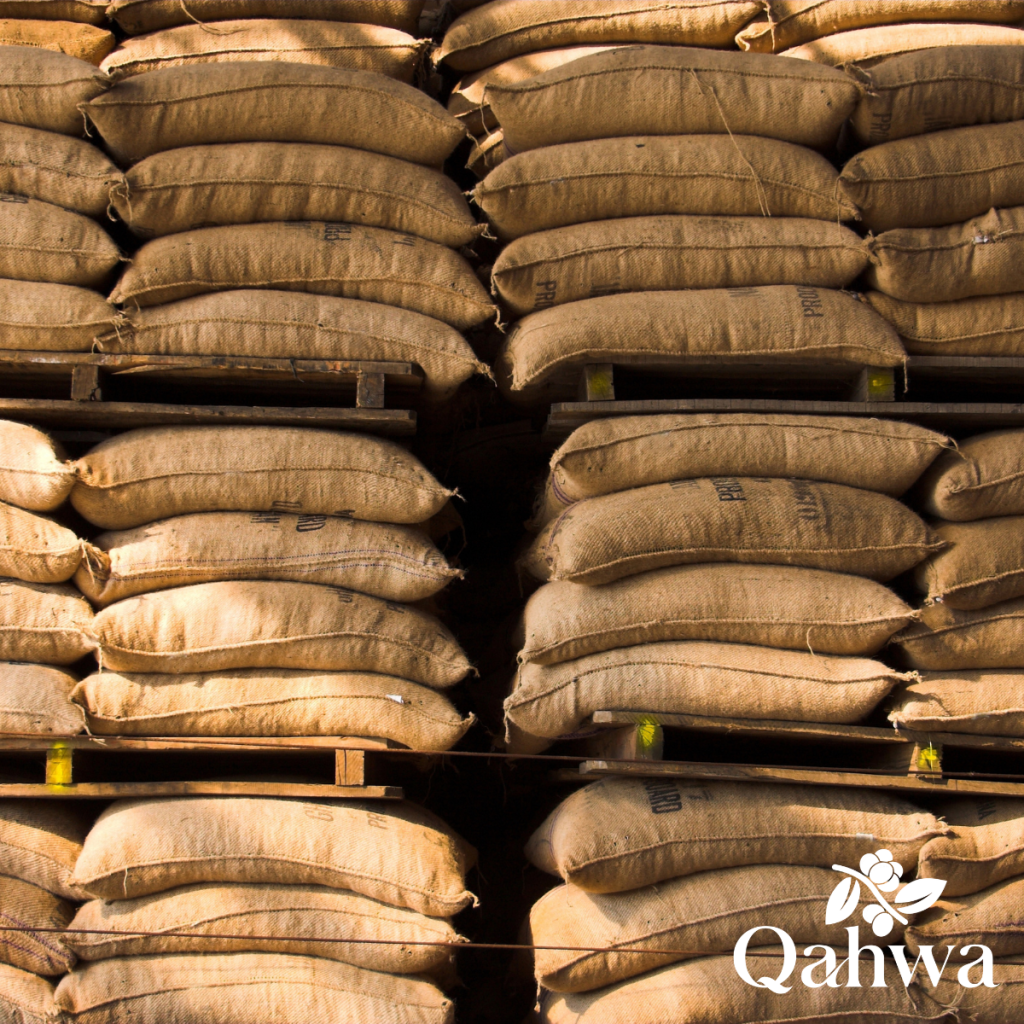
Stock and planning: why October is a strategic month for roasters
Coffee Year 2026/27 begins with higher global production. We look at availability, stocks, origins and the key factors green coffee buyers should monitor.
Coffee Year 2026/27 begins with higher global production. We look at availability, stocks, origins and the key factors green coffee buyers should monitor.
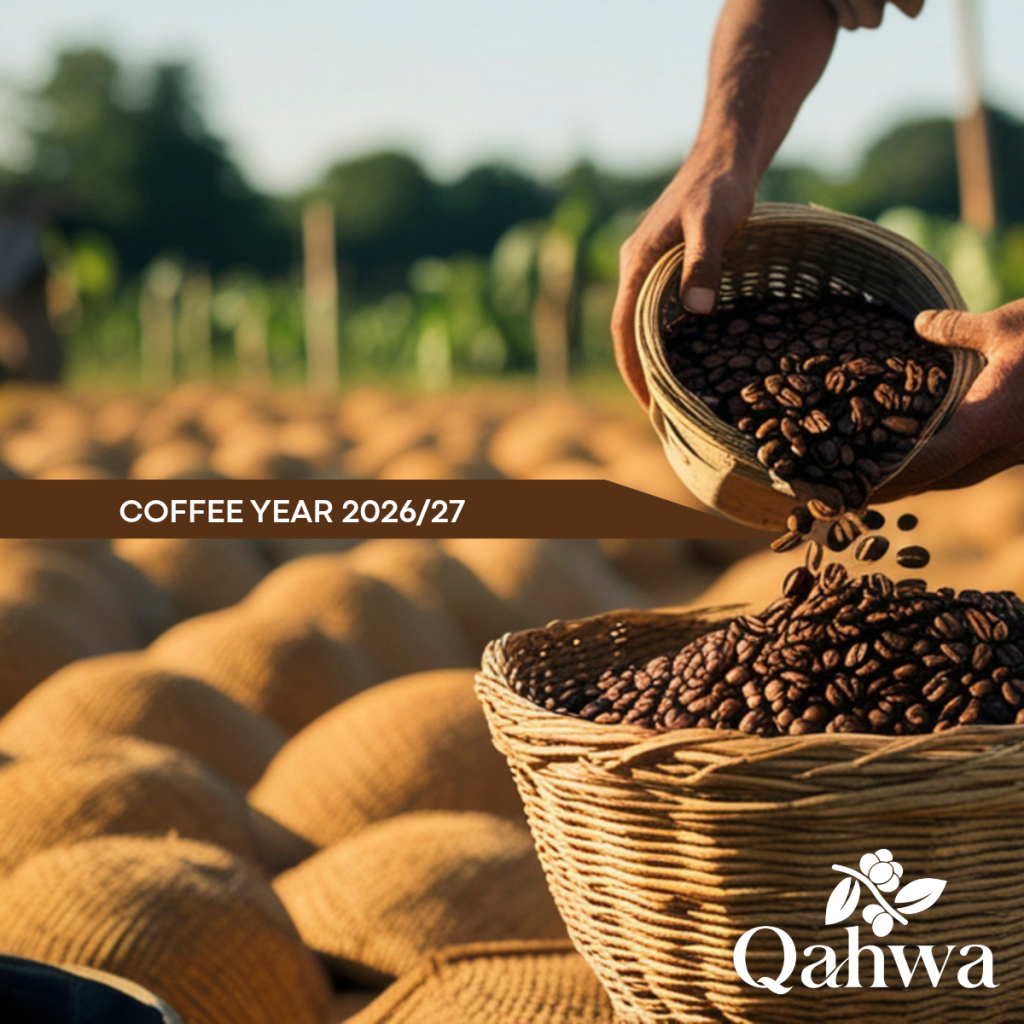
Coffee Year 2026/27 begins with higher global production. We look at availability, stocks, origins and the key factors green coffee buyers should monitor.

September is an important month for reading the green coffee market. After the European summer slowdown, buyers, roasters and importers

Asian Robusta remains a strategic component of the European green coffee supply chain. Vietnam, Indonesia and India are key origins
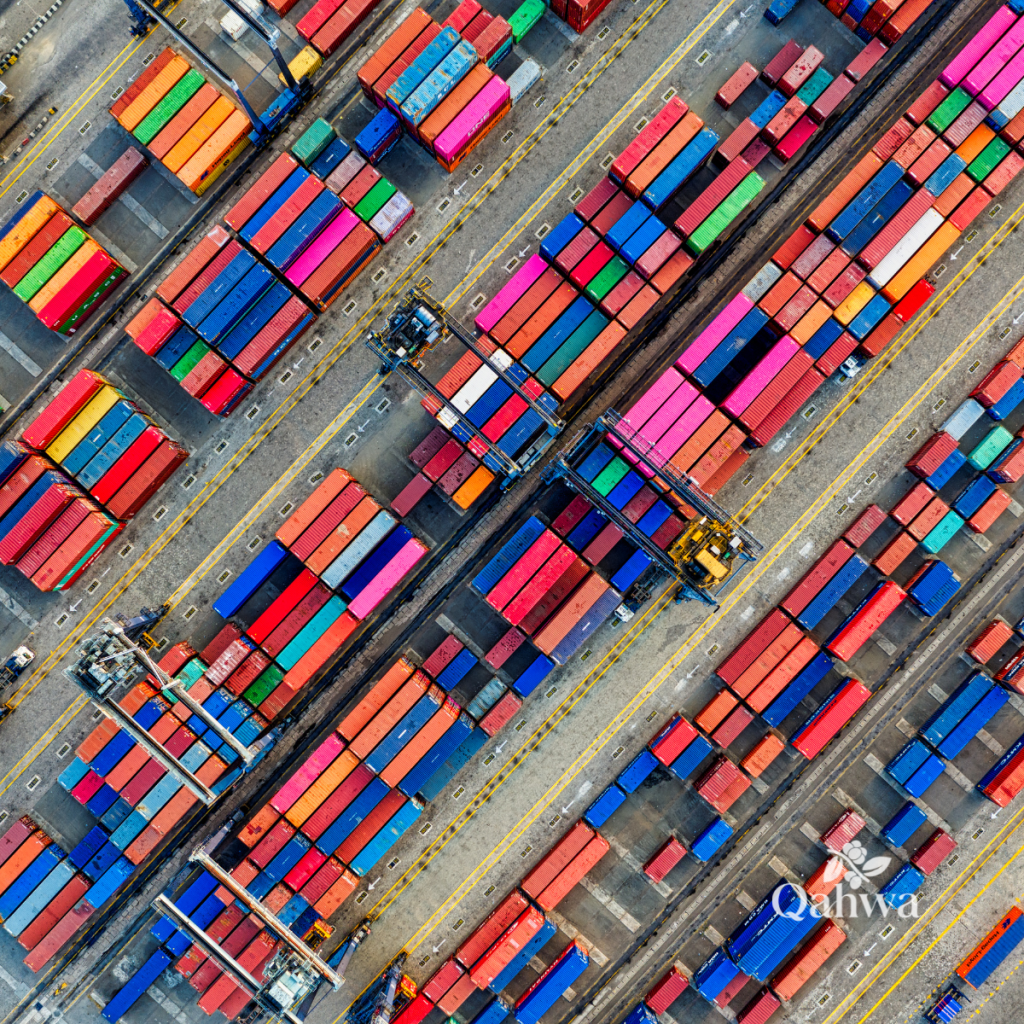
In the green coffee market, looking only at the futures price can be misleading. Futures are an important signal, but
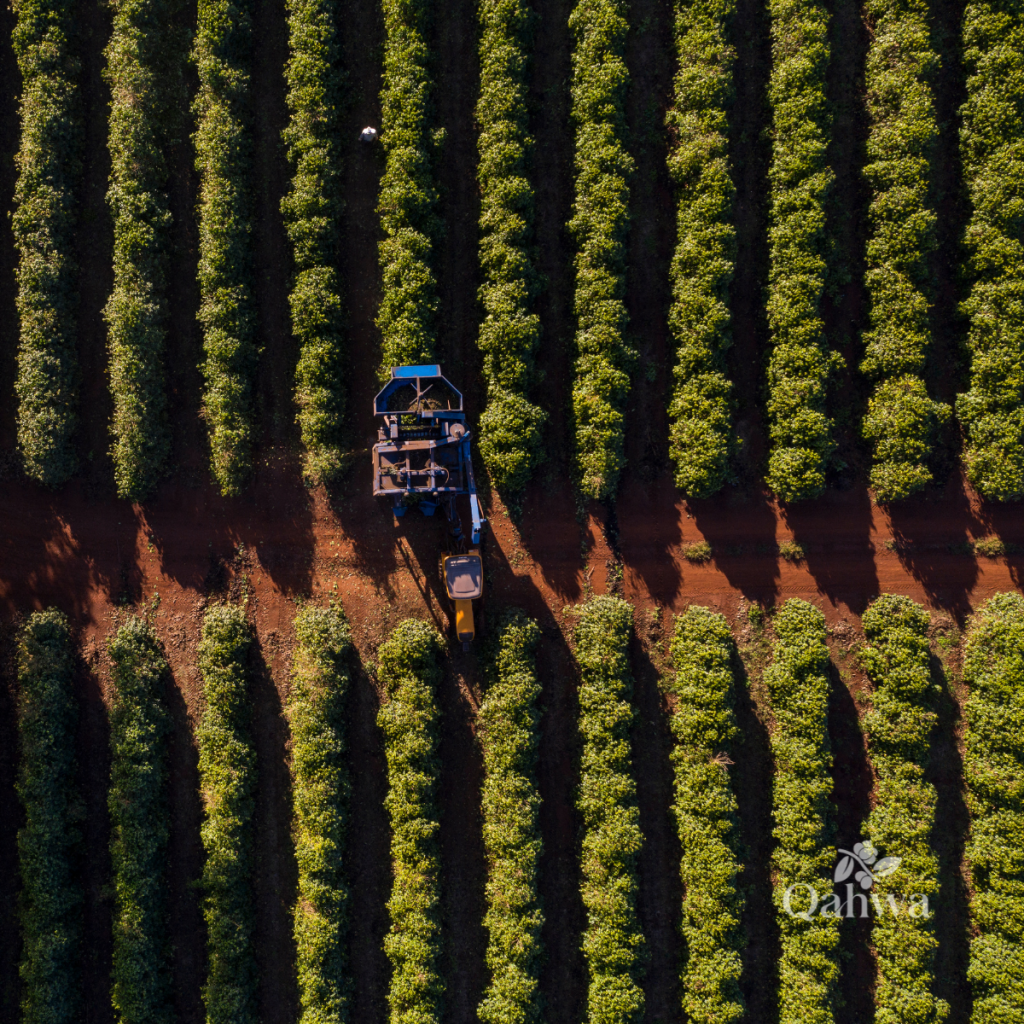
Brazil is heading toward a large 2026/27 coffee crop, but timing, quality and physical availability remain critical for B2B buyers.
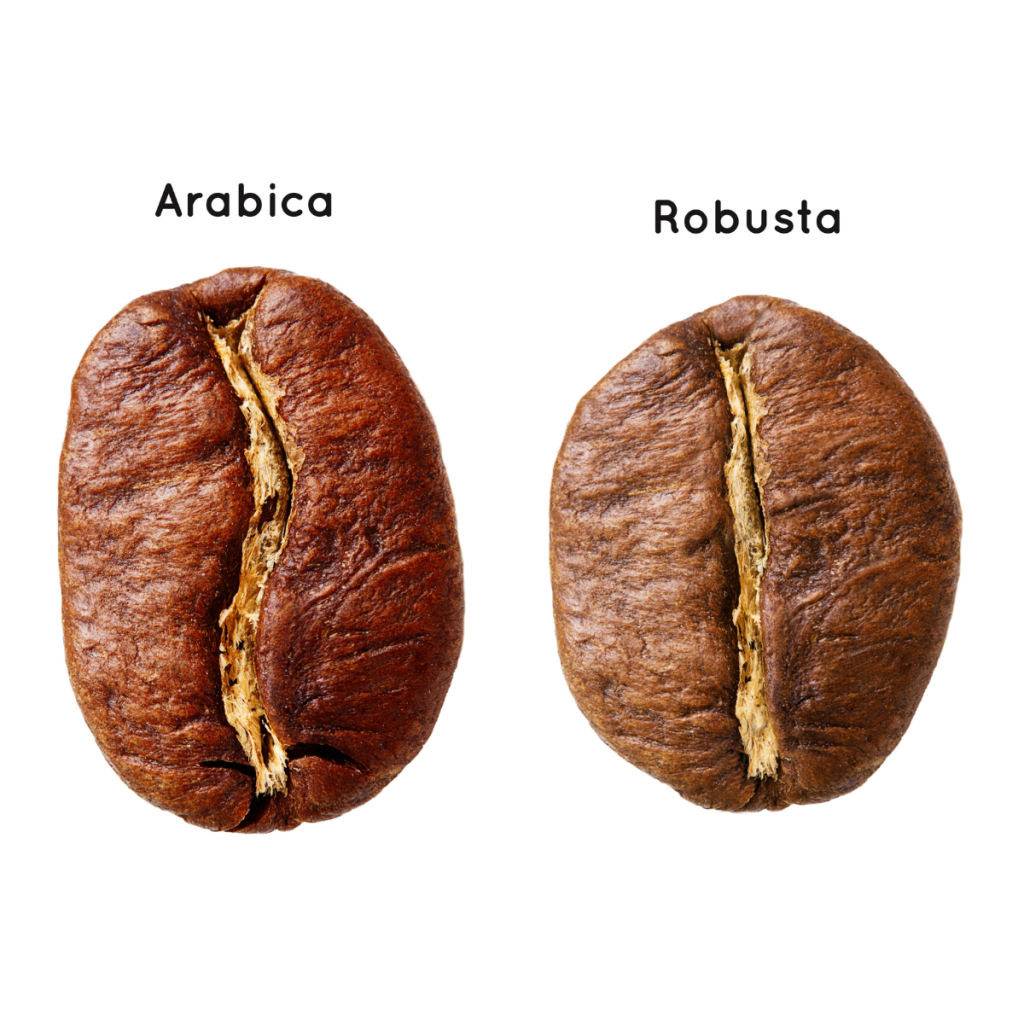
For years, the coffee market clearly separated arabica and robusta: arabica was associated with premium quality, while robusta was often linked to commercial blends and structure.

Over the past few years, the coffee market has shown just how deeply the global supply chain is connected to international logistics dynamics. Even in 2026, coffee prices are influenced not only by harvest conditions or climate trends in producing countries: transportation, shipping routes and logistics costs continue to have a direct impact on the availability and value of green coffee.

On May 20th, the World Bee Day is celebrated, established by the United Nations to highlight the crucial role of pollinators in ecosystems and global food production.
In 2026, this topic carries even greater relevance. Biodiversity is no longer just an environmental concern—it is a factor that directly affects the stability of agricultural supply chains. In the case of coffee, a crop highly sensitive to ecological balance, the link with pollinators is increasingly evident.

The Strait of Hormuz has returned to the spotlight in recent weeks due to renewed geopolitical tensions in the Persian Gulf region. The escalation of military activity and the risk of disruptions or restrictions to maritime traffic have once again raised concerns in global markets, particularly in the energy sector.

From the Coffee Belt to your Best Blend